Sandpaper Winds and Solar Ovens: Why Las Vegas Vehicles Need Mobile Detailing More Than Ever
This is a subtitle for your new post
The Mojave Grinder: Why Dust is More Than a Nuisance
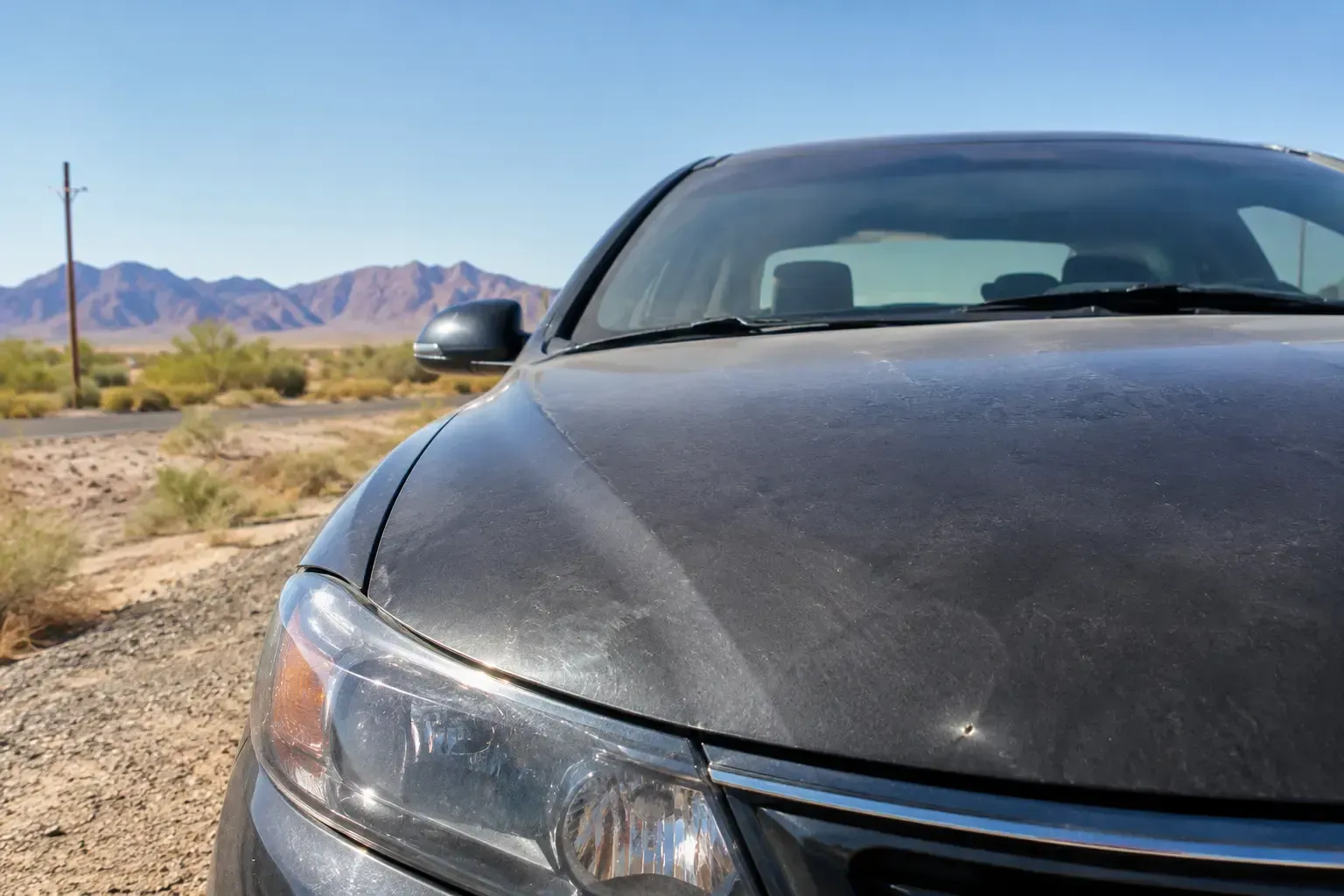
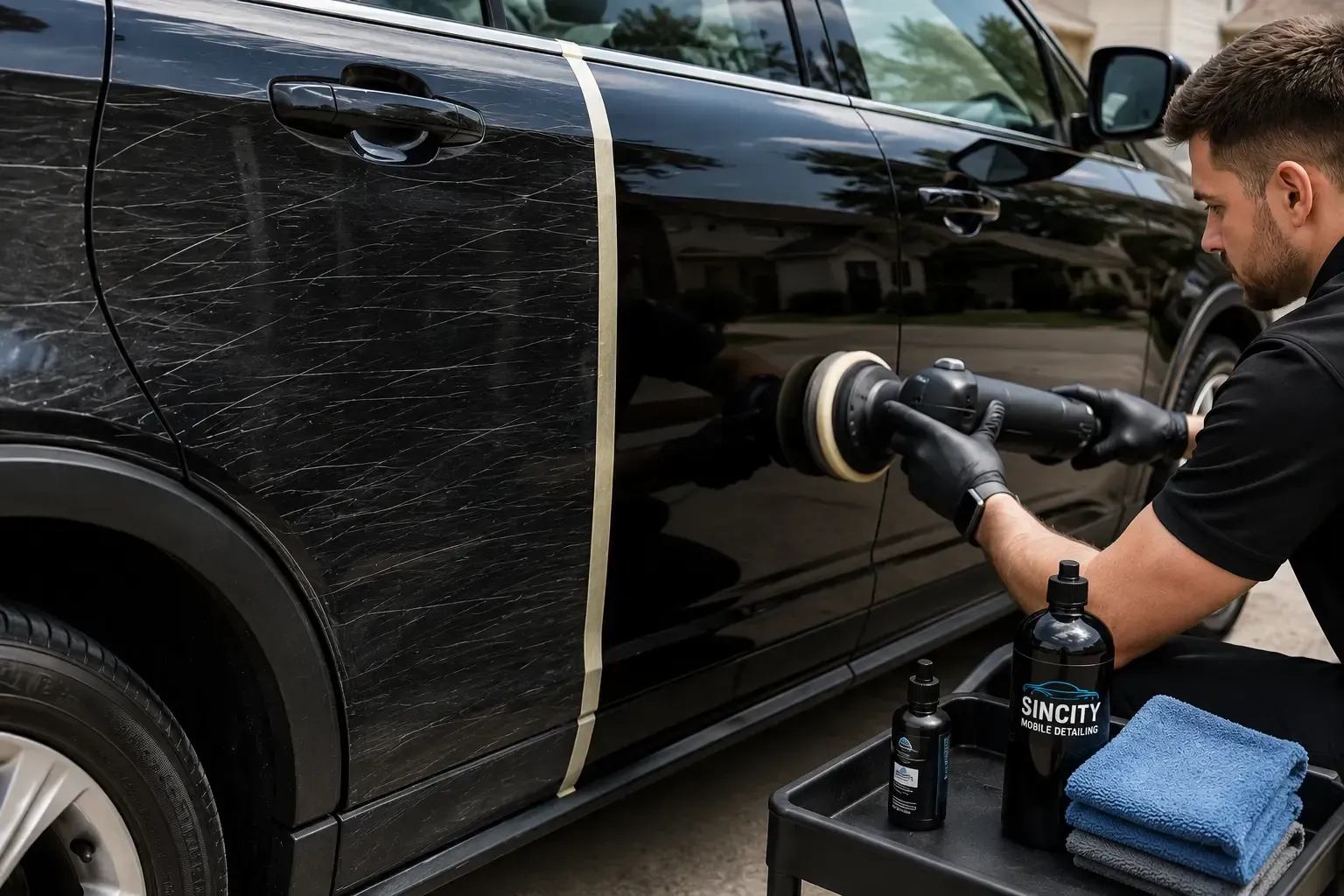
Think of the wind in Southern Nevada as a giant, invisible piece of sandpaper. The dust here isn't the soft, fluffy stuff you find in the Midwest. It is composed of high concentrations of silica and calcium, minerals that are essentially nature’s abrasives. When those 40-mph gusts howl through Summerlin or Henderson, they are carrying millions of microscopic needles. According to geological profiles of the Mojave Desert, this dust is exceptionally hard and jagged. When it settles on your car, it doesn't just sit there. It bonds.
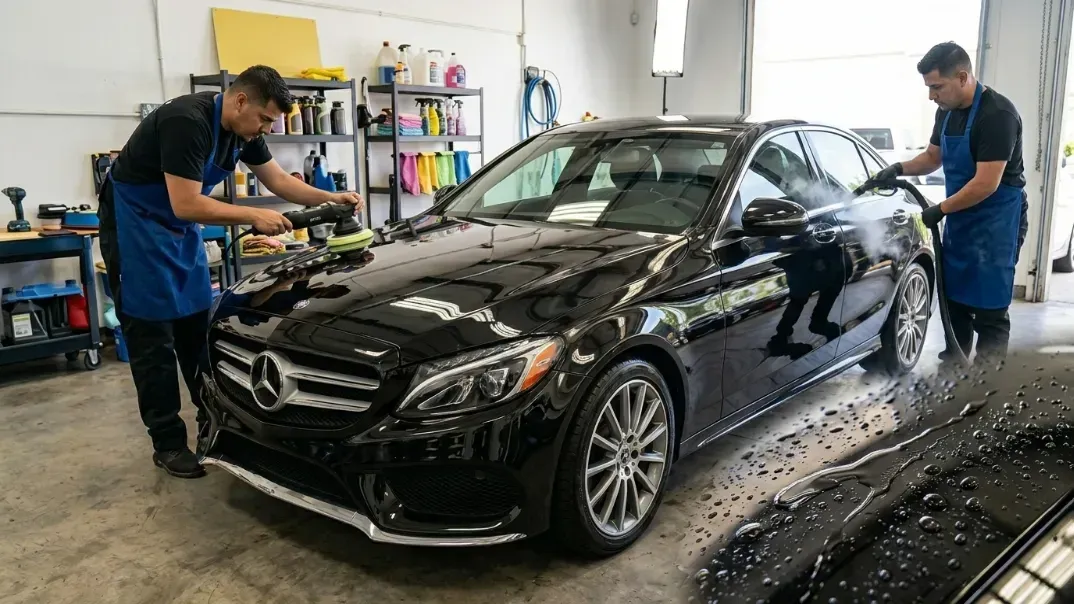
The biggest mistake Vegas drivers make? Wiping that dust off with a dry rag. You might as well use a Brillo pad. Every time you "quickly" wipe down a dusty trunk, you are grinding those silica particles into the paint, creating thousands of micro-scratches known as swirl marks. A professional mobile car wash isn't just a bucket and a sponge. It involves specialized lubrication and touch-free pre-soaks designed to lift that "Mojave Grinder" off the surface without touching the paint. If you aren't using a multi-stage decontamination process, you’re slowly destroying your resale value one wipe at a time.
The Solar Oven Effect: 170 Degrees of Destruction
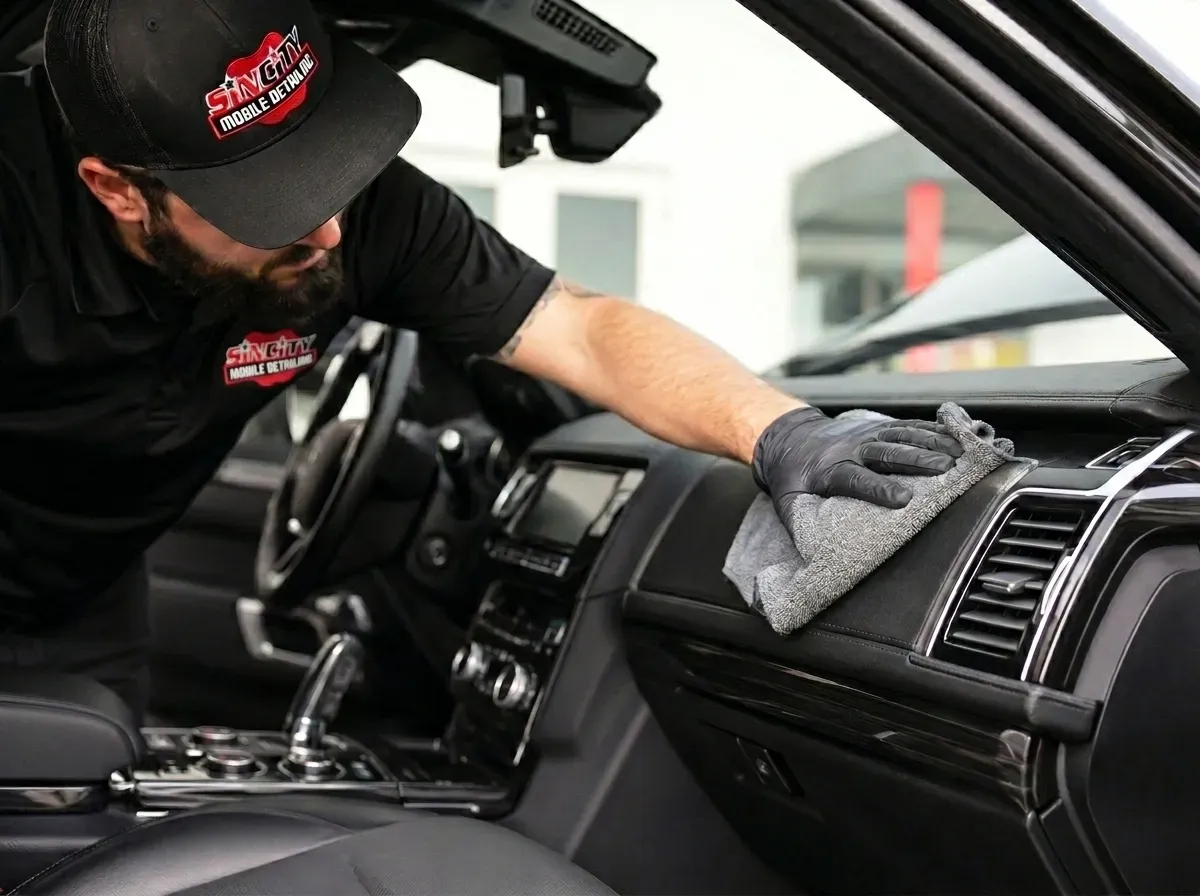
Vegas sees over 300 days of sunshine a year. That sounds great for a pool day, but it’s a death sentence for automotive plastics and leather. the interior of a car parked in the sun can reach a staggering 160 to 170 degrees Fahrenheit in about an hour. Dashboards can exceed 190 degrees. At those temperatures, the plasticizers in your vinyl dashboard begin to outgas—that’s the "new car smell" that eventually turns into a "cracked dashboard reality."
The UV index in the Valley regularly hits 10 or 11, which is considered "extreme." This radiation breaks down the molecular bonds in your car’s clear coat. First, the paint loses its luster. Then, it begins to oxidize, taking on a chalky, white appearance. Finally, the clear coat fails entirely and starts to peel like a bad sunburn. Once you reach the peeling stage, a detailer can't help you; you're looking at a multi-thousand-dollar trip to a body shop. High-end sin city detailing focuses on prevention, using UV-inhibitors and ceramic sealants that act like a SPF 1000 sunblock for your car.
The Drive-Thru Trap and the Hard Water Crisis
It’s tempting to hit the $10 express wash after a dust storm. Don't. Most automated washes in Las Vegas are "slap-and-dash" operations. The spinning brushes at these facilities are rarely cleaned properly, meaning they are often impregnated with the grit and grime of the five hundred trucks that went through before you. You’re paying someone to whip your car with dirty plastic ribbons. Even "touchless" washes aren't a safe haven. They rely on aggressive, high-pH chemicals to strip dirt, which also strips away any wax or protection you had left, leaving the paint vulnerable to the sun.
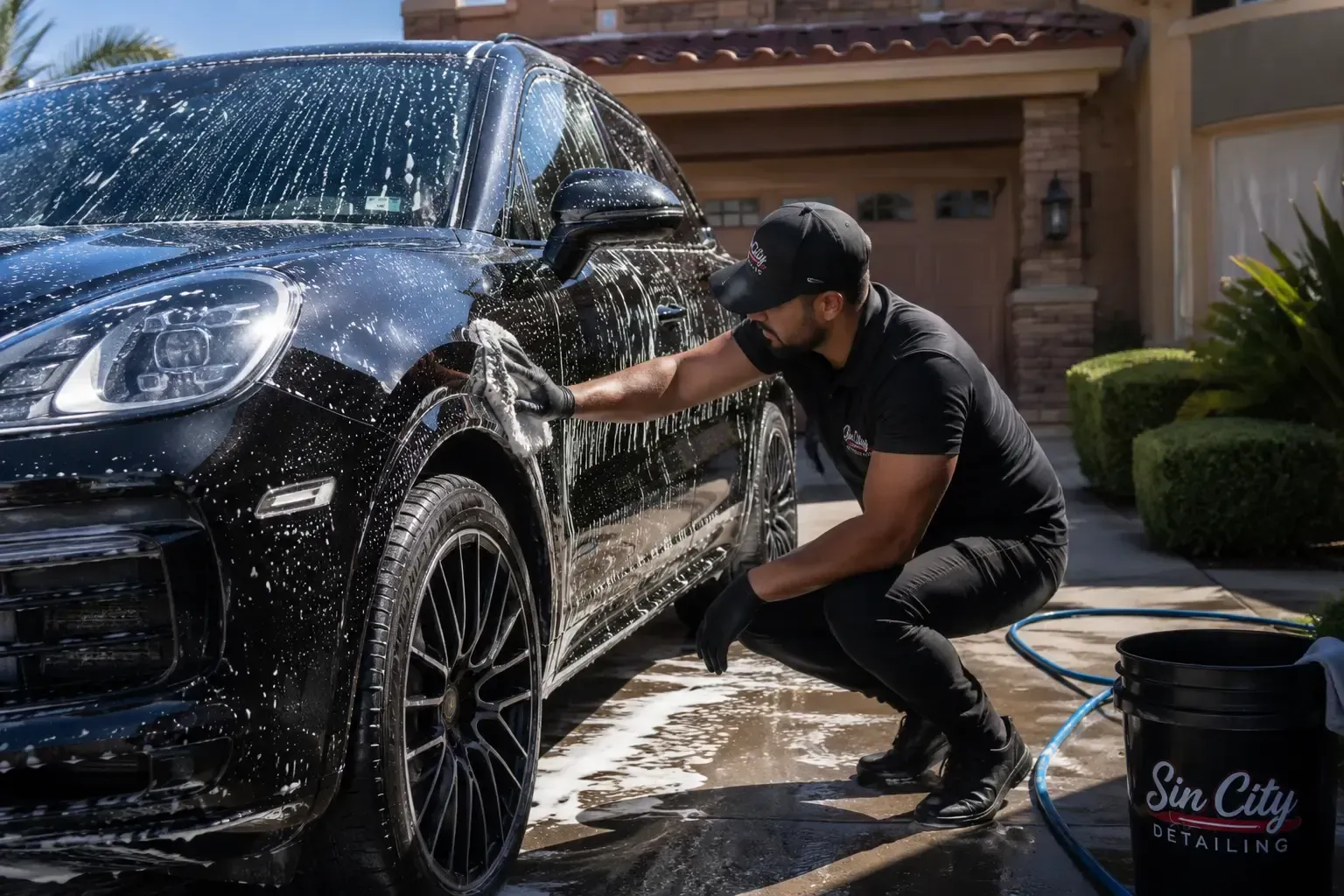
Then there’s the water. Las Vegas has some of the hardest water in the country. If you wash your car in the driveway and let it air dry for even sixty seconds, the sun will evaporate the water and leave behind "etching"—permanent mineral deposits of calcium and magnesium. These spots aren't just ugly; they are alkaline, and they will eat into your paint. Professional Mobile Car Detailing services often use deionized water or R.O. (Reverse Osmosis) systems to ensure a spot-free finish that DIY attempts simply cannot replicate.
Eco-Conscious Detailing in a Desert Climate
We live in a desert, and water is our most precious resource. This makes the traditional "hose and bucket" driveway wash a legal and environmental headache.
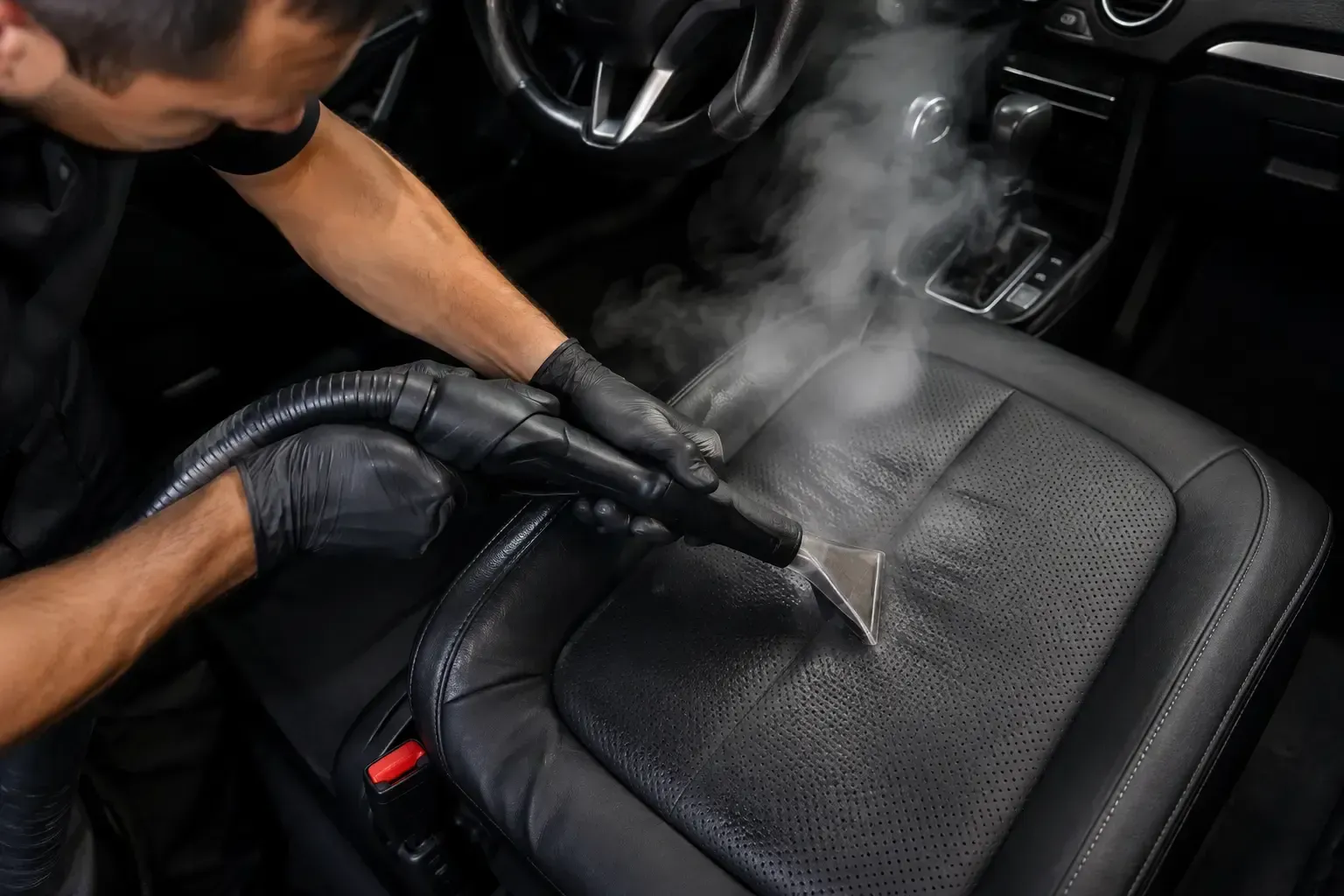
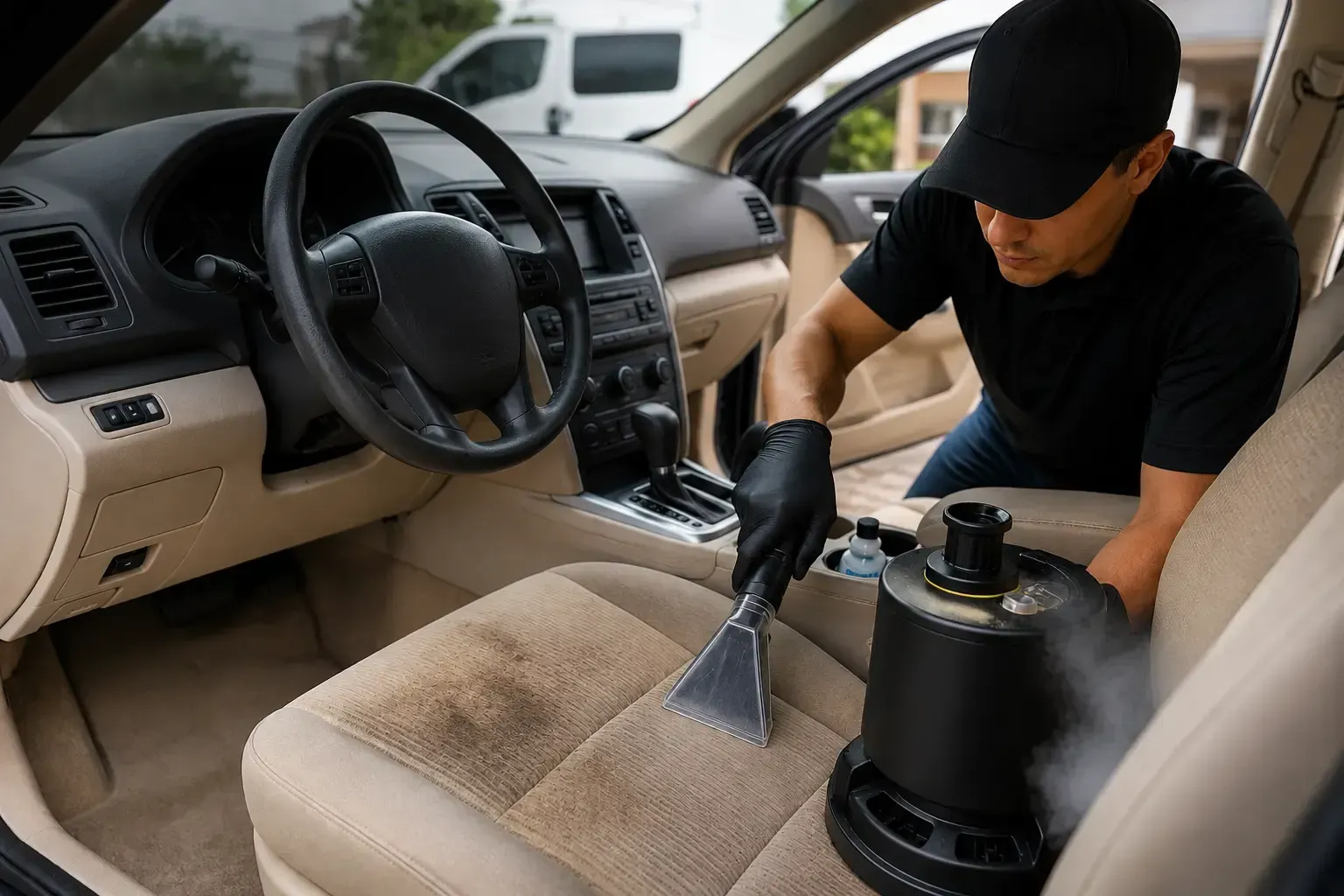
The modern mobile car wash has evolved to meet these challenges. Many elite detailers now utilize "Rinseless Wash" technology or high-pressure steam. These methods use less than three gallons of water to clean an entire vehicle, compared to the 40-100 gallons used by a standard garden hose. By choosing a professional who understands local regulations, you’re protecting the environment while ensuring your vehicle gets a level of care that a "Water Smart" commercial tunnel just can't provide.
The Sin City Detailing Advantage: Why Mobile Wins
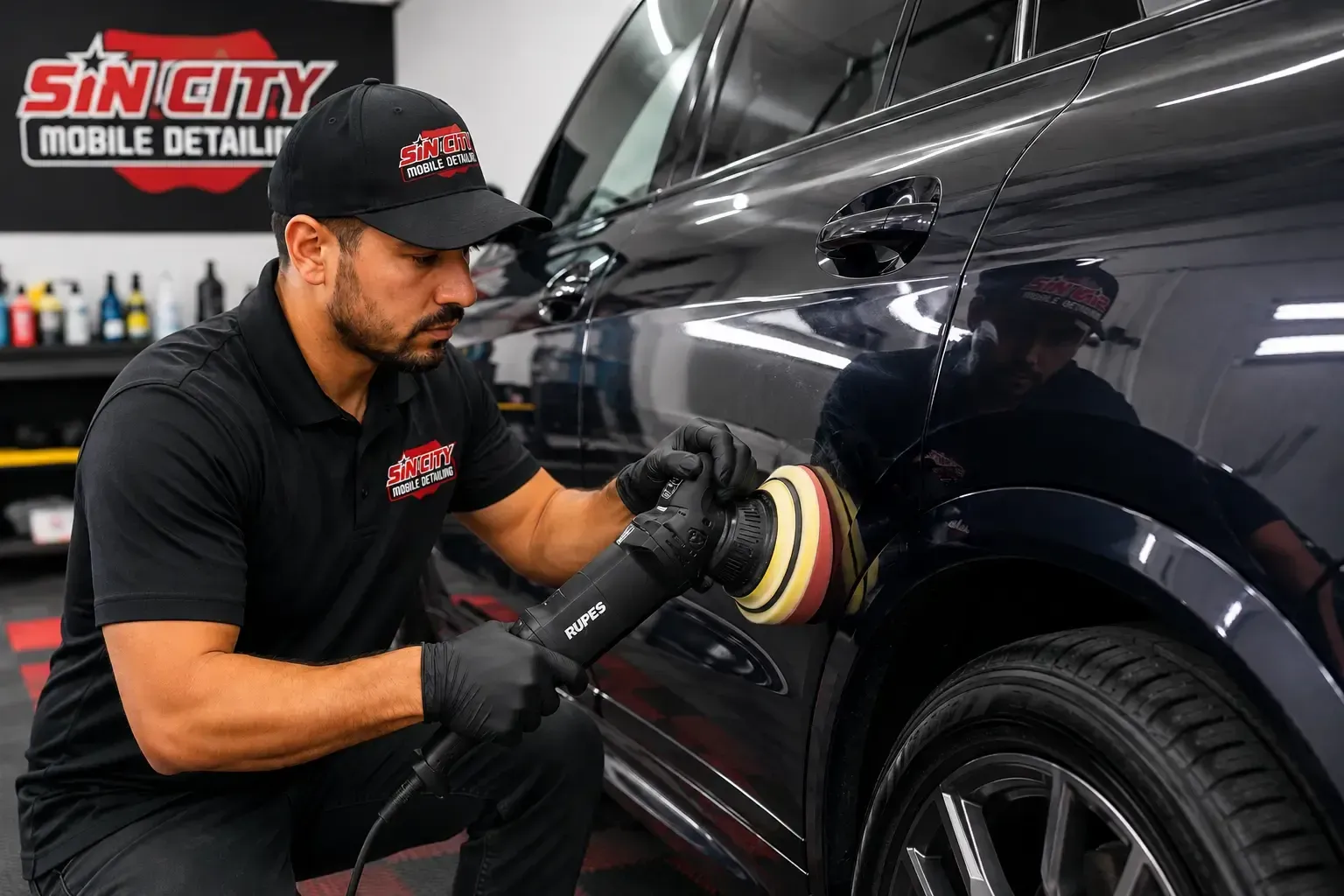
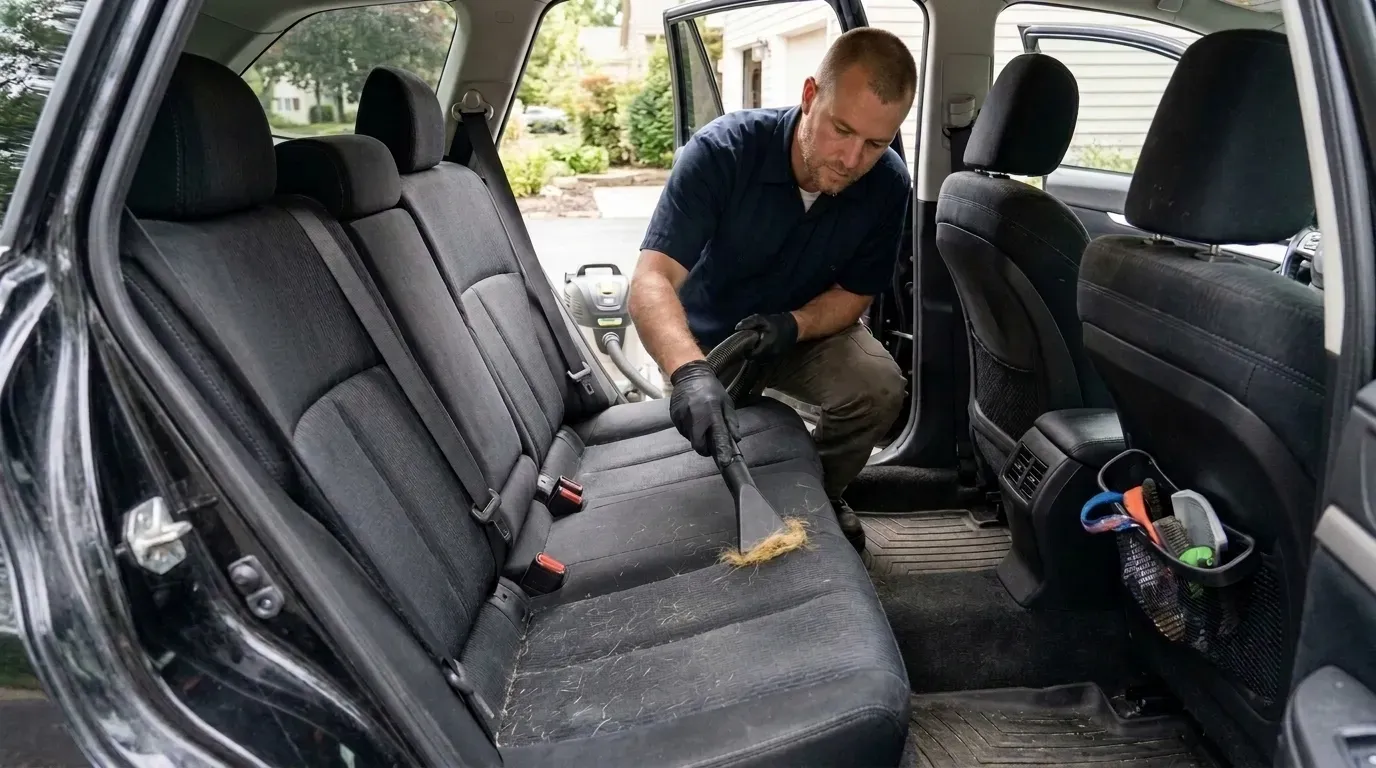
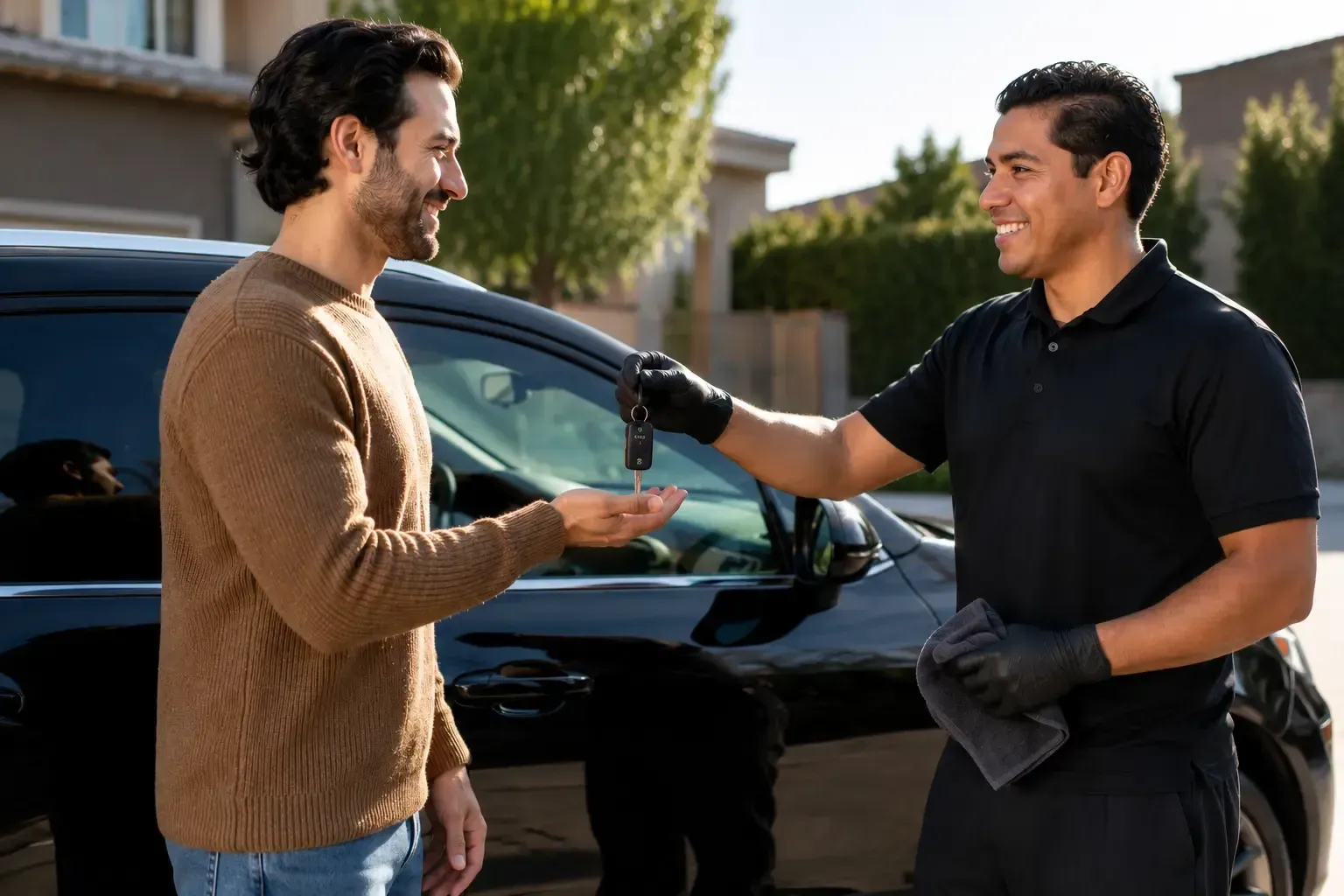
Time is the only thing you can't buy back in Vegas. Why spend two hours of your Saturday sitting in a humid waiting room at a fixed-site car wash when the experts can come to you? Whether you’re at your office in Summerlin or home in Seven Hills, sin city detailing professionals bring the entire shop to your driveway. This isn't just about convenience; it’s about quality control. When a detailer works on your car at your location, they aren't rushing to get to the next car in a tunnel line. They are focused on your specific paint thickness, your leather’s condition, and your wheels' brake dust buildup.
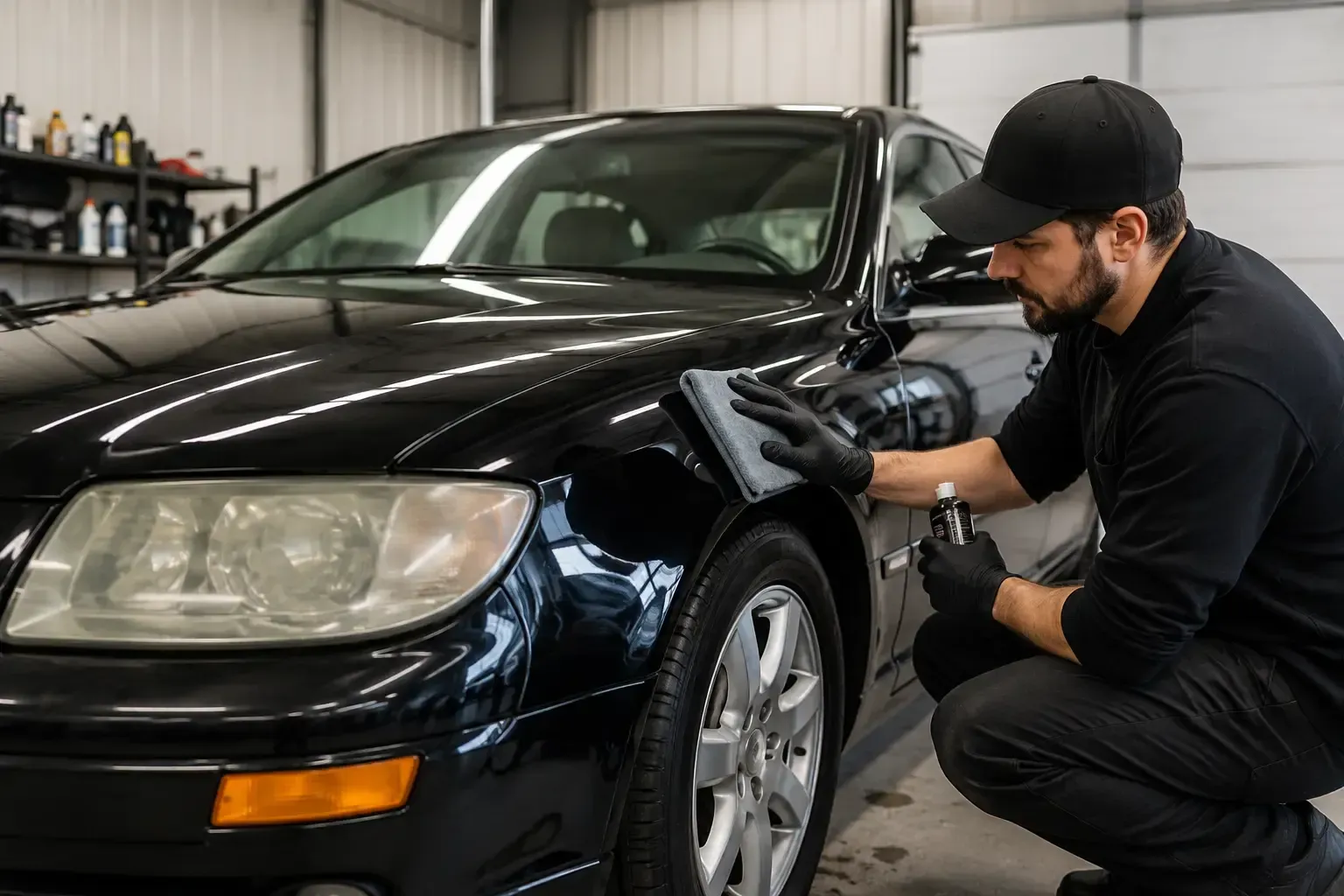
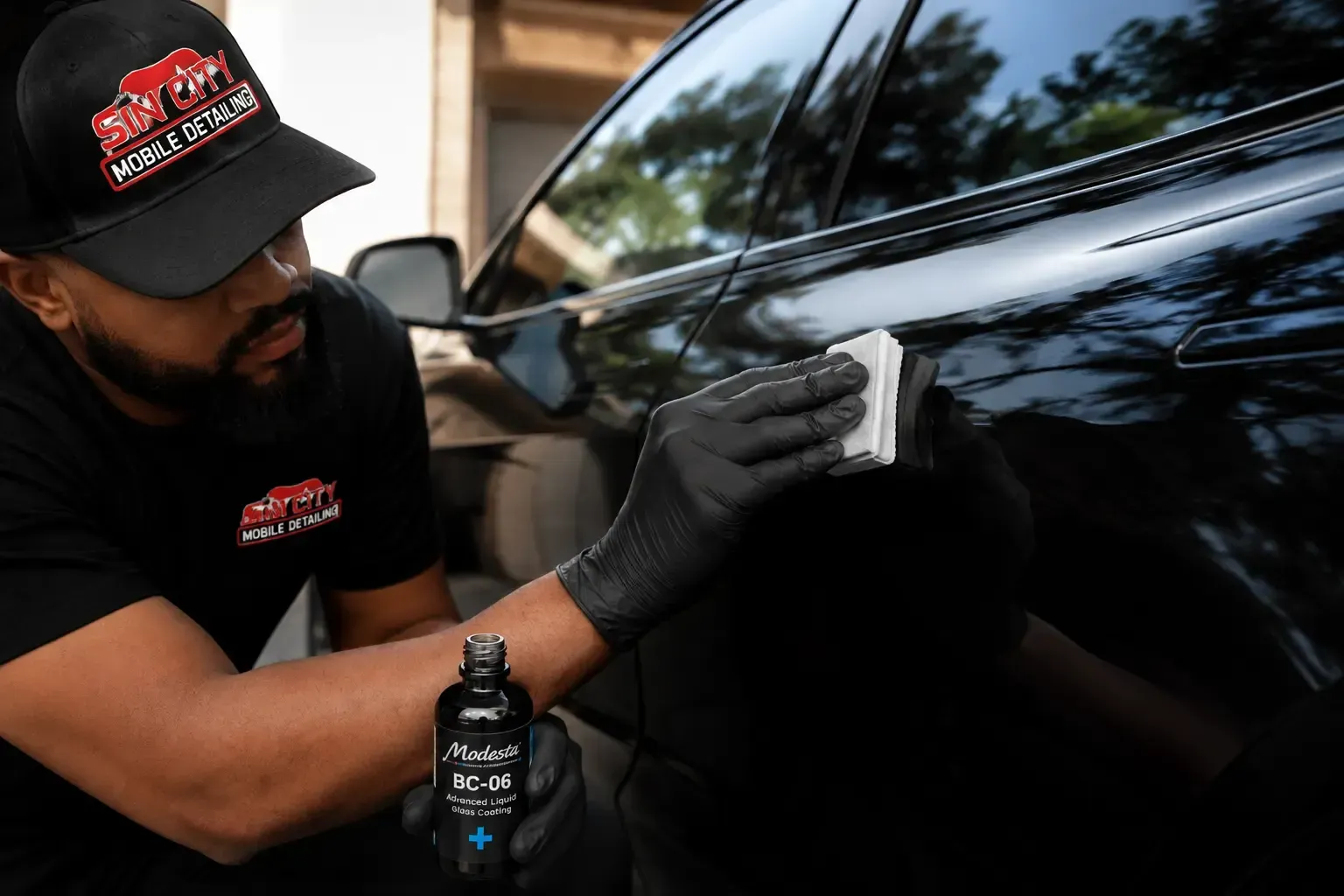
Protection is the name of the game. In this climate, a simple wax lasts about three weeks before the heat melts it off. Experts recommend ceramic coatings—a liquid polymer that chemically bonds with the factory paint. It creates a hydrophobic, glass-like layer that repels dust and stands up to the 115-degree heat. It’s the ultimate defense against the Vegas elements.
How often should I get mobile car detailing in Las Vegas?
In the harsh Mojave climate, you should aim for a professional detail every 3 to 4 months. The extreme UV levels and abrasive dust break down protective layers much faster than in other regions. Regular maintenance ensures that contaminants don't have time to etch into your clear coat or crack your interior plastics.
Is a mobile car wash better than an automated tunnel wash?
Yes. Automated washes use abrasive brushes that cause swirl marks and harsh chemicals that strip protection. A professional mobile detailer uses scratch-free techniques, deionized water to prevent hard water spotting, and specific UV-protectants designed for high-heat environments, providing a much higher level of safety and preservation for your vehicle.
Can detailing fix paint that is already peeling from the sun?
Unfortunately, no. Once the clear coat begins to peel or "delaminate," the only fix is a professional repaint at a body shop. Detailing is a preventative measure. However, if your paint is just starting to look dull or oxidized, a professional "paint correction" can often restore the shine before permanent failure occurs.
Does mobile detailing use too much water during a drought?
Actually, professional mobile detailers are often more water-efficient than DIY washing. Many use eco-friendly rinseless or steam-cleaning methods that comply with SNWA regulations, using as little as 2-5 gallons of water. This prevents illegal runoff into storm drains while providing a superior clean compared to high-volume commercial washes.
What is the benefit of a ceramic coating for Vegas drivers?
Ceramic coatings are the gold standard for desert protection. Unlike wax, which melts in the heat, ceramic coatings are heat-resistant and provide a permanent or semi-permanent shield. They repel abrasive dust, block 99% of UV rays, and prevent hard water minerals from etching into your car's paintwork.
Frequently Asked Questions